Pay in installments of $5.89 with
 ,
,
 and
and

Shipping Estimate
USA
- USA
- CAN
- USA
- CAN
Ships within 48 hours · Estimated delivery Jun 29 - Jul 4
 Promo Codes Available:
For Your Every Summer RSVP, with Code: SUMMER15
Description
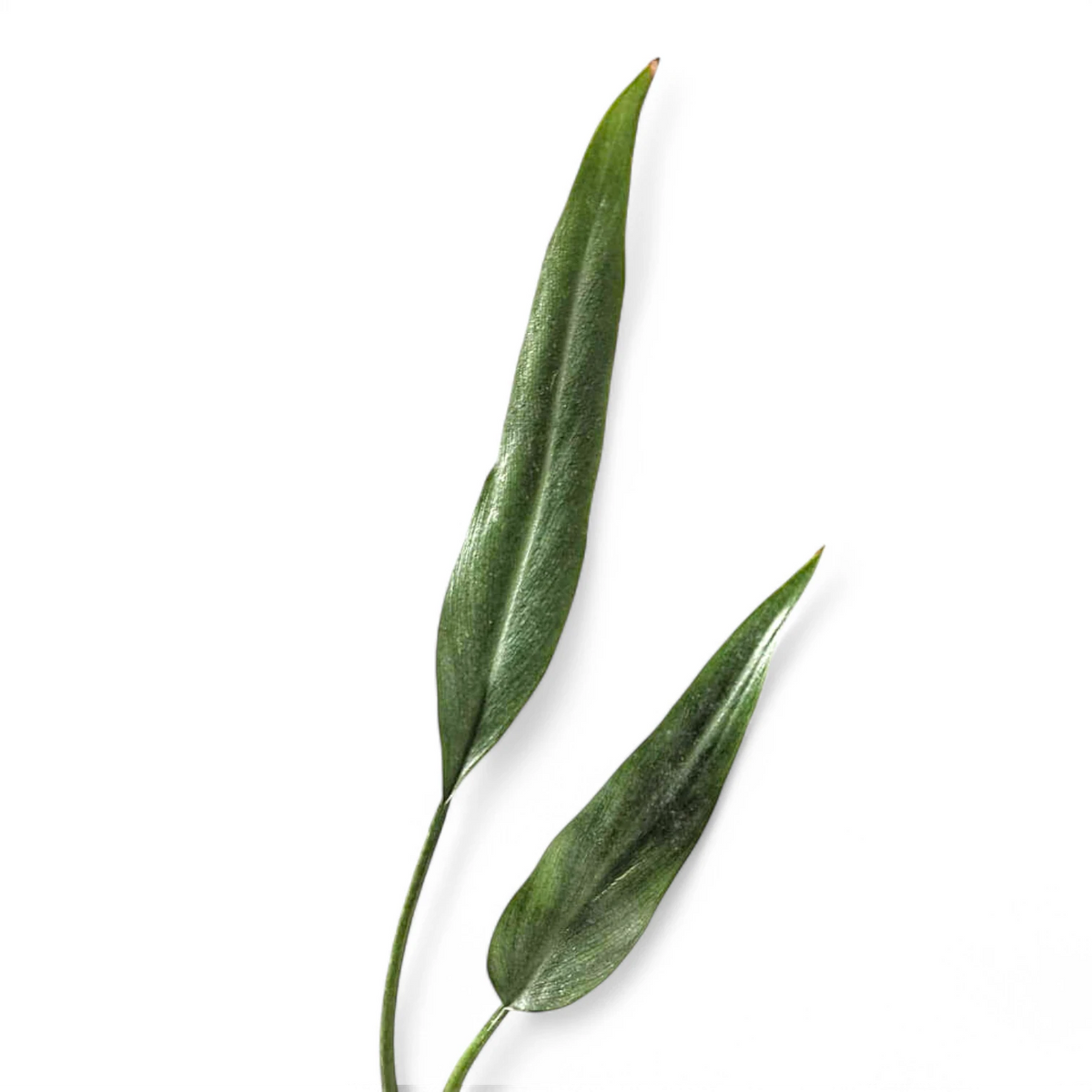
thin leaf philodendron Philodendron 'Sucre's Slim' – Narrow Blade, Elegant ProfilePhilodendron 'Sucre's Slim' Rare Collectors Creeper with Spear Like Leaves Sucre's Slim' Philodendron Blade Structure, Botanical Rarity and Clumping Growth Philodendron 'Sucre's Slim' is an extremely rare, virtually absent from collections philodendron, first circulated in 1989 by Dimitri Sucre in Rio de Janeiro. Whether this plant is a hybrid, a cultivar, or an undescribed species remains unknown though some botanists lean toward it being a natural,
Philodendron 'Sucre's Slim' – Rare Collector’s Creeper with Spear-Like Leaves
Sucre's Slim' Philodendron – Blade Structure, Botanical Rarity and Clumping Growth
Philodendron 'Sucre's Slim' is an extremely rare, virtually absent-from-collections philodendron, first circulated in 1989 by Dimitri Sucre in Rio de Janeiro. Whether this plant is a hybrid, a cultivar, or an undescribed species remains unknown – though some botanists lean toward it being a natural, undescribed species within the creeping Philodendron group.
The standout feature of this plant is its strikingly narrow, lanceolate leaves. Each spear-shaped blade grows only 20 – 25 cm long, with a width of just 2 – 3 cm at the widest point. These are supported by elongated petioles that often stretch to twice the blade length, featuring striated textures on the upper (adaxial) side near the base. It grows low and dense, forming a clumping structure rather than sprawling like typical creepers. Despite its strong presence, it’s considered one of the smallest known philodendrons in terms of leaf mass and spread.
Key physical traits and structure
- Leaf shape: Spear-like, long and narrow, tapering at both ends
- Size: Leaf blades reach 20 – 25 cm in length, petioles up to 50 cm
- Texture: Smooth matte surface; petiole striated near base
- Growth pattern: Clumping, basal rosettes – not a crawler or climber
- Overall habit: Extremely compact, upright and slow-spreading
Background and growth origin
This plant was introduced to cultivation by Dimitri Sucre in Brazil, with very limited distribution since 1989. It remains unclassified in botanical literature – not yet confirmed as a species, hybrid, or cultivar. It shows characteristics of a true creeping philodendron but does not behave like a typical runner; instead, it grows in tight clumps. Its unique combination of petite size, long petioles, and sharply narrowed foliage has made it a standout among collectors looking for compact and highly structured plants.
Toxic to pets and humans if ingested, like most Philodendron species.
Philodendron 'Sucre's Slim' care essentials
- Light: Bright, indirect light maintains healthy growth and compact form
- Watering: Allow top 2 – 3 cm of soil to dry between waterings
- Humidity: Prefers 60 – 80%; sustained humidity supports tighter leaf spacing
- Temperature: Ideal between 18 – 28 °C – avoid chills
- Soil: Loose aroid mix with bark, perlite, coir, and compost
- Repotting: Rarely needed – every 2+ years, or when rootbound
- Fertilising: Feed once per month during active growth with mild liquid fertiliser
- Propagation: Division of clumps or rooted node cuttings
- Hydroponics: Tolerates semi-hydro if humidity and warmth are stable
- Pruning: Not typically required – remove old leaves occasionally
Problems and practical fixes
- Leaf browning: Usually linked to low humidity or mineral buildup
- Slow growth: Normal for this variety; check light levels and substrate quality
- Root rot: Always use breathable substrate and pots with good drainage
- Pests (mealybugs, thrips): Monitor leaf bases and treat with neem or insecticidal soap
- Leaf curl: Can indicate inconsistent watering or root compaction
Extra notes on growth and placement
'Sucre's Slim' is best grown in a wide, shallow pot to encourage clump development. Its vertical petioles create an upright profile despite its creeping relatives. Use soft filtered light and avoid deep shade to maintain shape and color. It's a slow grower – expect patience to be part of the journey. Keeping a stable environment helps it settle and push new leaves regularly.
Etymology and name origin
Philodendron is derived from Greek – "philo" meaning love, and "dendron" meaning tree – a reference to the climbing habit of most species, though this one stays compact. The cultivar name refers to Dimitri Sucre, who first introduced this form, and its slim, refined leaf shape. The Latin root of Philodendron also includes the Indo-European root deru- meaning wood or firm, tying it to forest origins.
Shipping Notes
- Free Standard Shipping on $100+ Orders to the USA.
- Except Preorder products are shipped in 48 hours.
- Delivery to the USA:
- Standard Shipping : 3-10 business days
- If time is of the essence, please consider selecting expedited delivery for faster service.
Exchange/Return Notes
- We offer a 30-day return/exchange service after receiving.
- Final sale items are not eligible for returns or exchanges.
- To process your return/exchange, please contact us at [email protected]
- Please click here for more details>>> Return & Exchange Policy